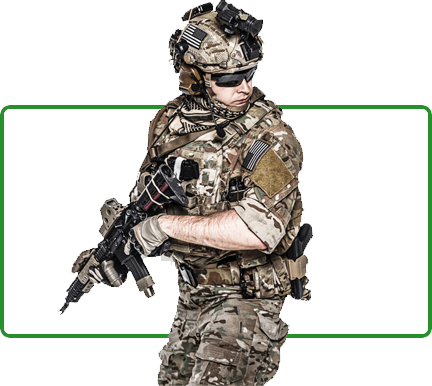
In the global professional apparel market, the line between "standard clothing" and "protective gear" is becoming increasingly blurred. Procurement managers for heavy industries—such as construction, oil and gas, and mining—are no longer satisfied with generic uniforms that wear out within months. They are seeking a level of resilience that was previously reserved for the armed forces. This is why the transition of military uniform manufacturers into the commercial workwear space is not just a business shift, but a technological upgrade for the entire industry.
For a specialized manufacturer, "Military-Grade" is not a marketing buzzword; it is a rigorous set of engineering constraints. When we produce tactical gear for the military, we adhere to MIL-SPEC (Military Specifications), which dictate everything from the tensile strength of the thread to the exact infrared reflectivity of the fabric. By pivoting these capabilities toward the production of heavy-duty work fabrics, we are offering the civilian market a "technology transfer" that prioritizes survival and longevity.
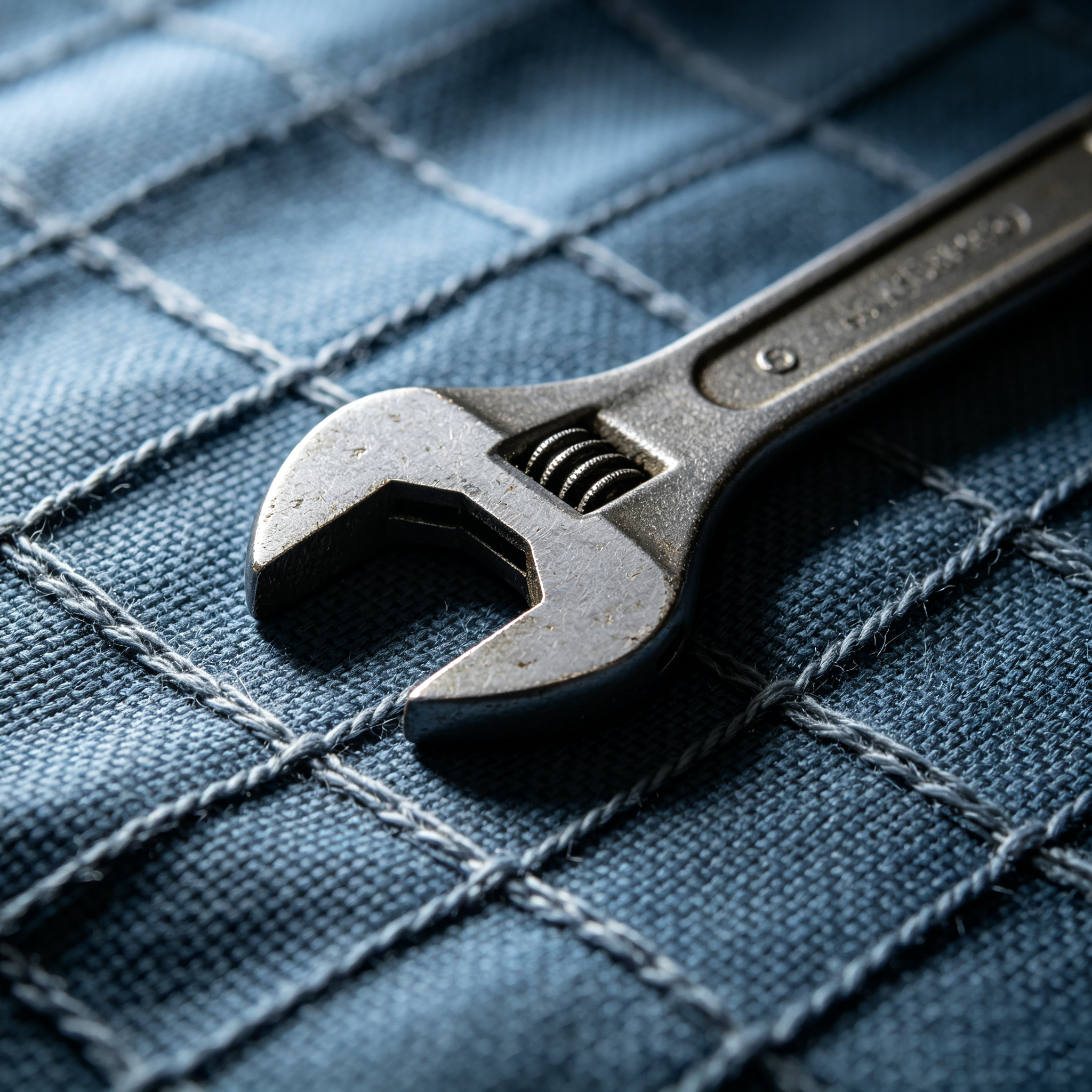
One of the core components of this transition is the use of Ripstop fabric technology. Originally developed during World War II to prevent parachutes from tearing further if caught, this cross-hatch weaving technique is now the gold standard for abrasion-resistant workwear. In a construction site or a forestry operation, a small snag shouldn't mean the end of a uniform. Our military-rooted production lines ensure that every garment can withstand the high-friction environments that define the modern industrial worksite.
Furthermore, the protective coatings engineered for soldiers—such as Durable Water Repellent (DWR), flame retardancy, and oil-resistant finishes—are being re-engineered for industrial safety clothing. In many ways, a worker on an offshore oil rig faces environmental challenges similar to a soldier in a maritime operation. By utilizing the same high-tenacity nylon and polyester blends used in combat uniforms, we provide professional workwear solutions that offer a significantly higher Return on Investment (ROI). While the initial cost might be slightly higher than low-end commercial alternatives, the extended replacement cycle means massive long-term savings for B2B buyers.
Ultimately, choosing a supplier with a military pedigree is about risk mitigation. In a world where supply chain disruptions are common, the reliability of a garment that "cannot fail" provides peace of than just a uniform—it provides a competitive edge in worker safety and operational efficiency.