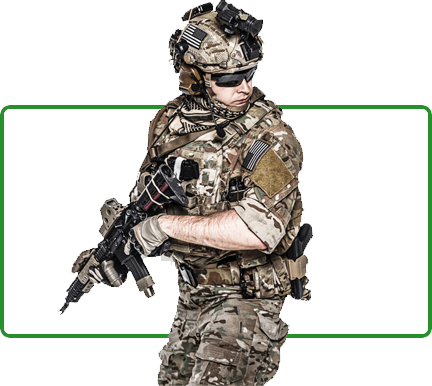
In 2024, global military expenditure reached a historic record of approximately $2.46 trillion, marking the highest level ever recorded.
This continuous growth in defense budgets indicates strong demand for military modernization, personal protection systems, tactical equipment, and advanced protective clothing.
However, many procurement professionals are facing a surprising challenge:
Why are protective equipment costs increasing even though global military spending continues to grow?
For many buyers, purchasing the same quantity of military uniforms, tactical gear, or protective equipment today requires a significantly higher budget compared with previous years.
This creates a clear market paradox:
.png) The defense market is expanding, but procurement efficiency is becoming more challenging.
The defense market is expanding, but procurement efficiency is becoming more challenging.
Many buyers initially believe that rising costs are simply caused by higher raw material prices.
However, material costs are only one part of the overall challenge.
Several factors are influencing today’s military and protective equipment procurement:
Modern defense procurement is no longer only about finding the lowest product price.
Government agencies, military organizations, and professional buyers now require suppliers to provide:
In the past, procurement decisions were mainly based on price and lead time.
Today, buyers need suppliers that can provide complete solutions, including:
The complexity of supply chain management has naturally increased procurement costs.
Modern protective equipment is becoming more advanced.
A tactical uniform or protective garment is no longer just ordinary clothing.
Depending on the application, products may require:
For professional users, product reliability is critical.
A lower-priced product that fails during use may create additional costs through:
Therefore:
The lowest price does not always represent the lowest total cost.
Facing increasing procurement pressure, more international buyers are changing their purchasing strategies.
Instead of focusing only on the lowest quotation, professional buyers are looking for suppliers who can provide:
✔ Competitive pricing
✔ Stable quality
✔ Reliable delivery
✔ Customization capability
✔ Long-term supply support
The future of defense procurement is not about buying cheaper products.
It is about achieving better overall value.
One effective way to control procurement costs is working with manufacturers that have integrated production capabilities.
A complete supply chain from:
Raw materials → Functional fabrics → Garment production → Protective equipment → Export service
can significantly reduce:
Manufacturers with complete production systems can provide more flexible solutions for:
In today’s competitive defense market, choosing the right supplier is more important than ever.
A reliable manufacturer should provide:
Different countries and industries have different requirements.
Professional suppliers can customize:
according to customer specifications.
.png)
Experienced manufacturers can optimize costs through:
This allows buyers to achieve better price-performance ratios.
From prototype development to mass production, professional suppliers help customers reduce risks and ensure successful delivery.
Global military spending reaching $2.46 trillion represents both an opportunity and a challenge.
The demand for military protective equipment, tactical gear, and functional protective clothing will continue to grow.
However, the key question for procurement professionals is no longer:
“Where can we find the cheapest supplier?”
The better question is:
“Which supplier can provide the best value with reliable quality and controlled costs?”
In the modern defense industry:
The lowest quotation may reduce initial spending, but a reliable supply chain reduces long-term costs.
The record growth of global military spending shows that demand for protective equipment will remain strong.
However, rising procurement costs require buyers to rethink their sourcing strategies.
Working with experienced military protective equipment manufacturers, tactical gear suppliers, and functional fabric producers can help organizations achieve:
The smartest procurement decision is not choosing the lowest price.
It is choosing the supplier who delivers the highest value.