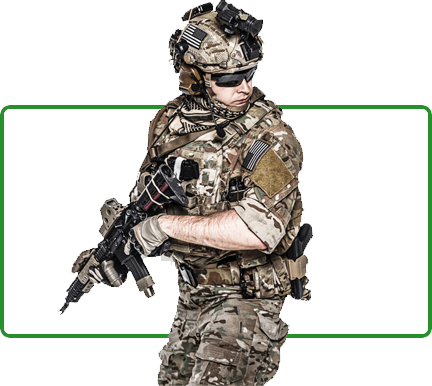
.png) For procurement officers at multinational corporations, the greatest nightmare is a "silent failure" in the supply chain. Whether it is a batch of uniforms with inconsistent dye lots or a failure to meet safety certification standards, these errors lead to lost time and legal liabilities. This is precisely why military apparel exporters are increasingly becoming the preferred partners for the B2B workwear sector. The rigorous discipline required to satisfy national defense contracts is the ultimate training ground for building a world-class manufacturing operation.
For procurement officers at multinational corporations, the greatest nightmare is a "silent failure" in the supply chain. Whether it is a batch of uniforms with inconsistent dye lots or a failure to meet safety certification standards, these errors lead to lost time and legal liabilities. This is precisely why military apparel exporters are increasingly becoming the preferred partners for the B2B workwear sector. The rigorous discipline required to satisfy national defense contracts is the ultimate training ground for building a world-class manufacturing operation.
The core of our operational philosophy is rooted in the "Zero-Failure" mindset. In the defense sector, a garment is often a piece of life-saving equipment. A failure in the stitching of a load-bearing vest or a deviation in the flame-retardant properties of a pilot’s suit can have catastrophic consequences. When we apply this tactical manufacturing discipline to wholesale workwear production, the result is a level of quality assurance that commercial-only factories simply cannot replicate.
Every stage of our production process is governed by ISO-certified quality control protocols. This begins with raw material traceability. We don’t just buy fabric; we audit the fiber source, the weave density, and the chemical composition of the dyes. For our global partners, this means that the 10,000th uniform produced is identical in performance and appearance to the first prototype. This batch consistency is critical for large corporations that need to maintain a unified brand image across thousands of employees in different regions.
Furthermore, as a long-time defense clothing exporter, we have mastered the complexities of international compliance and social responsibility. Many of our facilities are audited to meet the highest standards of ethical garment manufacturing, including SA8000 or WRAP certifications. We understand that our B2B clients have their own Environmental, Social, and Governance (ESG) goals to meet. By partnering with us, they gain a transparent partner who understands the legalities of international textile trade, customs compliance, and specialized safety certifications like CE or ANSI/ISEA.
In the current geopolitical climate, "Supply Chain Resilience" has become a strategic priority. Our experience in managing complex government contracts means we have robust contingency plans and logistics networks. We are not just a factory; we are a strategic workwear supply chain partner capable of handling high-volume requirements with the precision of a military operation.