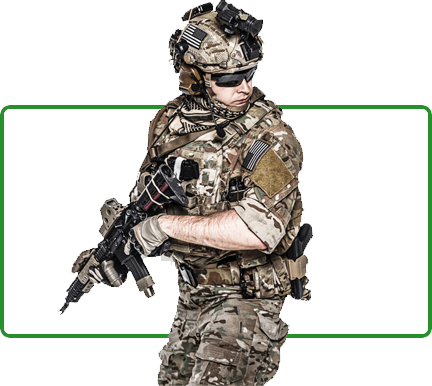
Selecting a reliable military uniform supplier is one of the most critical decisions for defense procurement officers, government contractors, and tactical gear distributors. Military uniforms are not ordinary garments—they are precision-engineered systems designed for protection, concealment, mobility, and survival in extreme conditions. With global defense spending on the rise and increasingly complex procurement requirements, understanding how to evaluate potential suppliers has never been more important.military uniform supplier is one of the most critical decisions for defense procurement officers, government contractors, and tactical gear distributors. Military uniforms are not ordinary garments—they are precision-engineered systems designed for protection, concealment, mobility, and survival in extreme conditions. With global defense spending on the rise and increasingly complex procurement requirements, understandingmilitary uniform supplier is one of the most critical decisions for defense procurement officers, government contractors, and tactical gear distributors. Military uniforms are not ordinary garments—they are precisionmilitary uniform supplier is one of the most critical decisions for defense procurement officersmilitary uniform
1. Production Capacity and Scalability
The first criterion in supplier selection is production capacity. Military contracts often involve large-volume orders with strict delivery timelines, and a supplier must demonstrate the ability to scale operations accordingly. Leading manufacturers typically operate facilities with hundreds of skilled workers and monthly outputs exceeding 50,000 pieces. When evaluating a Military contracts often involve large-volume orders with strict delivery timelines, and a supplier must demonstrate the ability to scale operations accordingly. Leading manufacturers typically operate facilities with hundreds of skilled workers and monthly outputs exceeding 50,000 pieces. WhenMilitary contracts often involve large-volume orders with strict delivery timelines, and a supplier must demonstrate the ability to scale operations accordingly. Leading manufacturers typically operate facilities with hundreds of skilledMilitary contracts often involve large-volume orders with strict delivery timelines,combat uniform factory in China, for instance, look for state-of-the-art production lines, automated cutting systems, and streamlined sewing workflows that can handle bulk orders without compromising quality. Additionally, inquire about the supplier's ability to manage repeat orders—military clothing procurement is recurring by nature, with defense agencies constantly replacing, upgrading, and issuing new mission clothing.
2. Material Quality and Performance Standards
Material quality is non-negotiable in military apparel. The fabric must withstand harsh environments, frequent laundering, and rigorous daily use while maintaining comfort and functionality. High-quality combat uniforms typically utilize ripstop fabrics (such as 65% polyester / 35% cotton blends) that prevent tears from spreading, or specialized fire-resistant and waterproof materials for extreme conditions. Breathability, moisture-wicking capabilities, and abrasion resistance are essential performance metrics. A reputable tactical clothing manufacturer should provide detailed fabric specifications, sourcing transparency, and testing data to verify that materials meet operational demands.
.png) 3. Customization and Design Flexibility
3. Customization and Design Flexibility
Modern military forces require uniforms tailored to specific operational environments, body types, and national standards. Customization capabilities include bespoke camouflage patterns (woodland, desert, digital, or multi-terrain), gender-specific cuts, tailored sizing systems, and integrated features such as knee pad pockets, Velcro panels, or reinforced stitching. The supplier should offer comprehensive OEM/ODM services—from initial design consultation and fabric development to custom embroidery, insignia placement, and packaging. This flexibility ensures that the final product aligns precisely with the client's tactical requirements and institutional branding.military forces require uniforms tailored to specific operational environments, body types, and national standards. Customization capabilities include bespoke camouflage patterns (woodland, desert, digital, or multi-terrain), gender-specific cuts, tailored sizing systems, and integrated features such as knee pad pockets, Velcro panels, or reinforced stitching. The supplier should offer comprehensive OEM/ODM services—from initial designmilitary forces require uniforms tailored to specific operational environments, body types, and national standards. Customization capabilities include bespoke camouflage patterns (woodland, desert, digital, or multi-terrain), gender-specific cuts, tailored sizing systems, and integrated features such as knee pad pockets, Velmilitary forces require uniforms tailored to specific operational environments, body types, and national standards. Customization capabilities include bespoke camouflage patterns (woodland, desert, digital, or multi-terrain), gender-specific cuts, tailored sizing systems,military forces require uniforms tailored to specific operational environments, body types, and national standards. Customization capabilities include bespoke camouflage patterns (woodland, desert, digital, or multimilitary forces require uniforms tailored to specific operational environments, body types, and national standards. Customization capabilities include bespoke camouflage patterns (woodmilitary forces require uniforms tailored to specific operational environments
4. Compliance with International Standards
Compliance is perhaps the most stringent requirement in military uniform procurement. Different nations enforce distinct standards: the United States requires MIL-SPEC compliance and adherence to AR 670-1 regulations; NATO members typically follow EN ISO and CE ratings; while other countries maintain their own national military specifications. Key certifications to verify include ISO 9001 for quality management systems, WRAP and SA8000 for ethical manufacturing, and OEKO-TEX for material safety. For suppliers targeting U.S. defense contracts, understanding the Berry Amendment and DFARS domestic sourcing rules is essential, as these regulations restrict procurement to domestically produced goods unless exceptions apply. A professional military uniform procurement. Different nations enforce distinct standards: the United States requires MIL-SPEC compliance and adherence to AR 670-1 regulations; NATO members typically follow EN ISO and CE ratings; while other countries maintain their own national military specifications. Key certifications to verify include ISO 9001 for quality management systems, WRAP and SA8000 for ethical manufacturing, and OEKO-TEX for material safety. For suppliers targeting U.S. defense contracts, understanding the Berry Amendment and DFARS domestic sourcing rules is essential, as these regulations restrict procurement to domestically produced goods unlessmilitary uniform procurement. Different nations enforce distinct standards: the United States requires MIL-SPEC compliance and adherence to AR 670-1 regulations; NATO members typically follow EN ISO and CE ratings; while other countries maintain their own national military specifications. Key certifications to verify include ISO 9001 for quality management systems, WRAP and SA8000 for ethical manufacturing, and OEKO-TEX for material safety. For suppliers targeting U.S. defense contracts,military uniform procurement. Different nations enforce distinct standards: the United States requires MIL-SPEC compliance and adherence to AR 670-1 regulations; NATO members typically follow EN ISO and CE ratings; while other countries maintain their own national military specifications. Key certifications to verify include ISO 9001 for quality management systems, WRAP and SA8000 for ethical manufacturingmilitary uniform procurement. Different nations enforce distinct standards: the United States requires MIL-SPEC compliance and adherence to AR 670-1 regulations; NATO members typically follow EN ISO and CE ratings; while other countries maintain their own national military specifications. Key certifications to verify include ISO 9001 for quality managementmilitary uniform procurement. Different nations enforce distinct standards: the United States requires MIL-SPEC compliance and adherence to AR 670-1 regulations; NATO members typically follow EN ISO and CE ratings; while other countries maintain their own national military specifications. Key certifications tomilitary uniform procurement. Different nations enforce distinct standards: the United States requires MIL-SPEC compliance and adherence to AR 670-1 regulations; NATO members typically follow EN ISO and CE ratings; while other countriesmilitary uniform procurement. Different nations enforce distinct standards: the United States requires MIL-SPEC compliance and adherence to AR 670-1 regulations; NATO members typically follow EN ISOmilitary uniform procurement. Different nations enforce distinct standards: the United States requires MIL-SPEC compliance and adherence to AR 670-1 regulations;military uniform procurement. Different nations enforce distinct standards: the United States requires MIL-SPECmilitary uniform procurement. Different nationsmilitary uniform supplier must maintain robust documentation, traceability systems, and testing histories to satisfy these compliance frameworks.
5. Experience and Export Capability
Experience in the defense sector is a strong indicator of reliability. Suppliers with proven track records understand the unique operational requirements of military clients and have established quality control protocols that evolve with industry standards. Export capability is equally critical—international logistics, customs documentation, and regional regulatory knowledge can make or break a procurement timeline. Leading Chinese manufacturers, for example, have successfully supplied forces across Africa, the Middle East, Europe, and the Americas, demonstrating their ability to navigate complex export requirements and deliver goods efficiently worldwide.
6. Quality Control and Testing Protocols
A rigorous quality control system should be embedded throughout the production process, from raw fabric inspection and color dyeing verification to cutting precision, sewing craftsmanship, and final product testing. Reputable suppliers conduct multiple QC checkpoints and offer certificates such as CE, UL, CNAS, or CMA to validate product integrity. Before committing to a large order, request samples and conduct independent testing to verify tear resistance, color fastness, dimensional stability, and performance under simulated operational stress.
 7. Ethical and Sustainable Practices
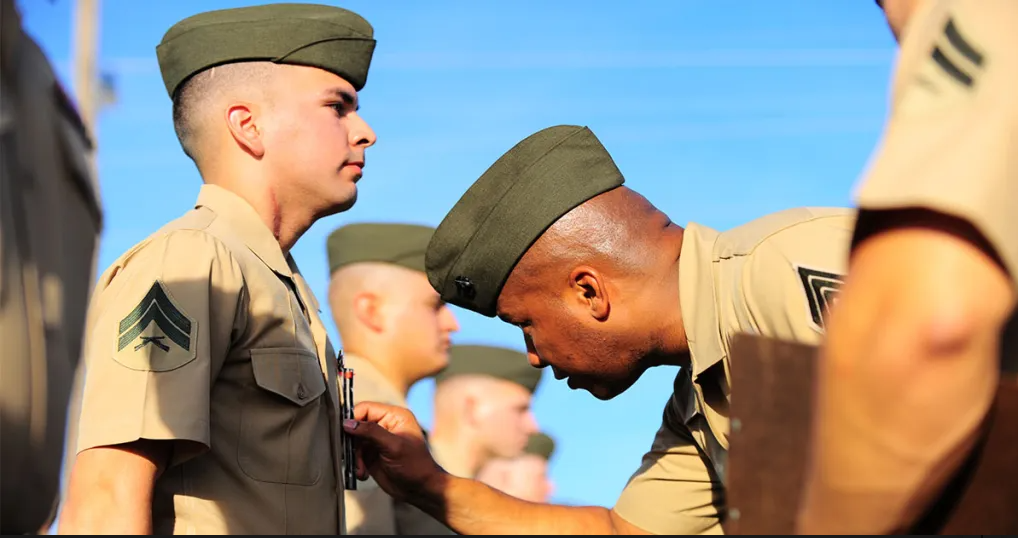
Increasingly, defense procurement agencies prioritize ethical sourcing and sustainable manufacturing. Certifications like WRAP, SA8000, and GRS indicate a commitment to fair labor practices, safe working conditions, and environmentally responsible processes. Partnering with ethically compliant suppliers not only mitigates reputational risk but also aligns with the growing global emphasis on responsible defense supply chains.
Choosing the right military uniform supplier requires a holistic evaluation of production capacity, material excellence, customization flexibility, regulatory compliance, industry experience, and ethical standards. Whether sourcing from a combat uniform factory in China or a domestic tactical clothing manufacturer, the goal remains the same: to secure high-performance apparel that protects personnel, enhances operational effectiveness, and meets the rigorous demands of modern military service. By applying these criteria systematically, procurement professionals can build long-term partnerships with suppliers capable of delivering excellence at scale.