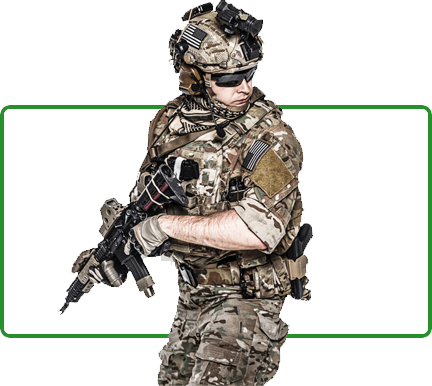
Modern warfare is changing faster than at any time in recent history.
From the battlefields of Eastern Europe to NATO modernization programs across the continent, military planners are discovering that battlefield effectiveness is not determined solely by advanced weapons systems. Increasingly, attention is turning to the individual soldier and the equipment they rely on every day.
Among the most important components of that equipment is the military uniform.
Far more than a simple garment, today's combat uniform has become a critical element of soldier protection, mobility, comfort, and operational effectiveness. The lessons learned from recent conflicts—particularly in Ukraine—are driving a new generation of military clothing systems designed to meet the realities of modern combat.
Traditional military uniforms were primarily designed for durability and camouflage.
While those requirements remain essential, modern battlefields present new challenges.
Today's soldiers operate in environments shaped by:
As a result, military clothing must now do much more than help soldiers blend into their surroundings.
Uniforms are increasingly expected to enhance survivability, reduce physical strain, and support mission performance in a wide range of operational environments.
.png)
One of the clearest lessons from modern conflicts is the importance of reducing soldier load.
Infantry personnel often carry weapons, ammunition, communication systems, medical kits, body armor, and other mission-critical equipment. Every additional kilogram increases fatigue and reduces mobility.
This reality has led military procurement agencies to prioritize lightweight combat uniforms and advanced fabric technologies.
Modern military apparel manufacturers are increasingly utilizing high-strength, lightweight fabrics that provide durability without adding unnecessary weight. The goal is simple: improve mobility while maintaining protection and operational reliability.
For soldiers operating in demanding environments, lighter equipment often translates directly into better battlefield performance.
Recent conflicts have demonstrated that military units rarely operate in a single terrain type.
Forces may move between urban areas, forests, grasslands, and damaged infrastructure within the same mission.
This has accelerated the shift toward multi-environment camouflage systems capable of providing effective concealment across a wider range of backgrounds.
Many military organizations are reassessing traditional camouflage patterns and exploring more versatile solutions that reduce visual detection in diverse operational environments.
The trend reflects a broader move away from highly specialized camouflage toward adaptable systems designed for modern, dynamic battlefields.
Combat operations often require personnel to remain in the field for extended periods.
Poorly designed uniforms can contribute to fatigue, overheating, reduced concentration, and lower operational effectiveness.
Modern military uniform design increasingly focuses on:
These features help improve comfort while supporting sustained operational readiness.
Military organizations have recognized that a more comfortable soldier is often a more effective soldier.
.png)
The widespread use of drones, artillery systems, and armored vehicles has increased exposure to blast and fire-related hazards.
As a result, flame-resistant combat uniforms are becoming an increasingly important part of military procurement programs.
Advanced flame-resistant fabrics can help reduce burn injuries while maintaining the durability and functionality required for combat operations.
Many defense organizations now consider flame resistance a critical requirement rather than an optional feature, particularly for personnel operating near vehicles, heavy equipment, or explosive threats.
Modern military uniforms are no longer designed as standalone products.
Instead, they function as components within a broader soldier protection ecosystem that includes:
This integrated approach ensures that clothing, protection equipment, and mission systems work together effectively.
Future combat uniforms will continue evolving to support greater interoperability, improved mobility, and enhanced mission performance.
The lessons emerging from modern conflicts are reshaping military procurement priorities around the world.
NATO members and defense organizations are investing in combat uniforms that deliver more than camouflage. They are seeking solutions that improve protection, comfort, durability, and adaptability under real-world operational conditions.
The future military uniform will likely be lighter, more versatile, more protective, and better integrated with modern soldier systems than ever before.
For military clothing manufacturers and procurement professionals alike, one conclusion is becoming increasingly clear:
The effectiveness of modern armed forces depends not only on the weapons they carry, but also on the clothing systems that support them in the field.
As warfare continues to evolve, military uniform design will remain a critical factor in enhancing soldier performance, survivability, and mission success.