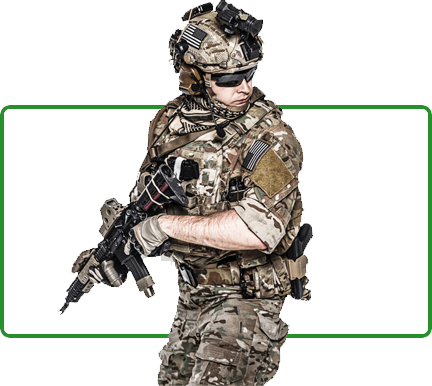
The Geopolitical Flashpoint and Its Security Implications
The Strait of Hormuz, often referred to as the world's most important oil chokepoint, has long been a flashpoint for geopolitical tensions in the Middle East. When this critical maritime passage faces blockade scenarios, the ripple effects extend far beyond energy markets—they create immediate security crises that demand rapid response from professional protection units. In such high-stakes environments, the survivability of
guard security uniforms and
safety defense equipment becomes not just a tactical consideration but a matter of life and death.
As tensions escalate in the Persian Gulf region, private
military contractors and corporate security teams find themselves operating in increasingly hostile environments where conventional threats have evolved into sophisticated missile and drone warfare. The question that dominates strategic planning sessions from Dubai to London is whether current protective gear can withstand the opening salvos of a modern conflict scenario.
.png)
Understanding the Threat Landscape
Modern asymmetric warfare has transformed the operational environment for
private security uniform manufacturers and their clients. The proliferation of precision-guided munitions,
ballistic missiles, and armed unmanned aerial vehicles means that static defensive positions—whether protecting oil terminals, shipping lanes, or corporate assets—face unprecedented vulnerability.
When analyzing survivability against first-wave missile strikes, we must consider three critical threat categories:
Ballistic Missile Threats: Short and medium-range
ballistic missiles, such as those deployed by regional actors, deliver high-explosive warheads with precision targeting capabilities. These weapons create blast overpressure, fragmentation fields, and thermal effects that test the limits of conventional
ballistic missiles, such as those deployed by regional actors, deliver high-explosive warheads with precision targeting capabilities. These weapons create blast over
ballistic missiles, such as those deployed by regional actors,
tactical gear suppliers' product lines.
Cruise Missile and Drone Swarms: Low-flying, terrain-hugging cruise missiles and loitering munitions present detection challenges and saturation attack scenarios. The sheer volume of incoming threats in a first wave can overwhelm point defense systems, placing enormous pressure on individual protective equipment.
Kinetic and Thermal Hazards: Beyond the initial impact, secondary fires, structural collapse, and toxic smoke create sustained hazards that demand comprehensive protection from
personal protective equipment factories worldwide.
Evaluating Current Protective Capabilities
The
guard security uniforms and
safety defense equipment currently fielded by private security teams represent a spectrum of protective capabilities, ranging from basic commercial offerings to
military-
grade systems. Understanding this spectrum is essential for assessing survivability in Hormuz-blockade scenarios.
Ballistic Protection Systems
Leading
body armor manufacturers and
ballistic vest
ballistic vest exporters have developed multi-threat platforms designed to address both conventional firearms and fragmentation hazards. Modern tactical vests incorporate:
- Hard Armor Plates: Ceramic composite and polyethylene plates rated at NIJ Level III and IV, capable of defeating rifle threats and certain fragmentation patterns. However, these systems face limitations against direct missile impacts or large-caliber explosive ordnance.
- Soft Armor Inserts: Aramid fiber and ultra-high molecular weight polyethylene (UHMWPE) panels from specialized tactical fabric producers provide coverage against secondary fragmentation—a critical consideration in missile strike scenarios where primary blast effects may be unavoidable.
- Modular Scalable Systems: Contemporary designs from innovative security apparel factories allow rapid configuration adjustments based on threat intelligence, enabling teams to maximize protection when missile warnings are received.
.png) Environmental and Thermal Protection
Environmental and Thermal Protection
The aftermath of missile strikes creates sustained hazardous environments that demand specialized equipment from
safety defense equipment producers:
- Flame-Resistant Uniforms: Advanced meta-aramid and para-aramid fabrics manufactured by leading FR clothing exporters provide critical seconds of protection against flash fires and thermal radiation. In scenarios involving petrochemical facility strikes, this protection becomes essential for escape and rescue operations.
- Chemical, Biological, Radiological, and Nuclear (CBRN) Integration: Premium guard security uniform suppliers now offer modular CBRN protection compatible with ballistic carriers, addressing the threat of chemical weapon use or toxic industrial material releases following infrastructure attacks.ballistic carriers, addressing the threat of chemical
- Respiratory Protection: Full-face respirators and powered air-purifying respirators (PAPRs) from established respiratory safety equipment manufacturers protect against smoke inhalation and chemical agents, enabling sustained operations in contaminated environments.
Communication and Situational Awareness
Survivability extends beyond physical protection to include command, control, and intelligence capabilities.
Tactical communication equipment exporters provide hardened radio systems, satellite uplinks, and integrated data networks that maintain connectivity despite electromagnetic interference and infrastructure damage.
The Manufacturing Response: Innovation Under Pressure
The global
guard security uniform manufacturing sector has responded to evolving threat environments with accelerated innovation cycles.
Tactical gear factories across North America, Europe, and Asia have invested heavily in materials science and systems integration to meet emerging requirements.
Advanced Materials Development
Technical textile producers specializing in
ballistic applications have introduced next-generation fibers that offer improved strength-to-weight ratios. Dyneema Force Multiplier technology and similar innovations from specialized
ballistic applications have introduced next-generation fibers that offer improved strength-to-weight ratios. Dyneema Force Multi
fiber manufacturers enable lighter, more flexible protection without sacrificing defensive capabilities.
Similarly,
nanotechnology integration by forward-thinking
safety equipment producers has yielded fabrics with enhanced flame resistance, moisture management, and antimicrobial properties—critical for sustained operations in harsh climates.
Integrated Systems Architecture
The most significant advancement from leading
security uniform exporters involves the integration of disparate protective technologies into cohesive systems. Modern tactical platforms incorporate:
- Power distribution networks for wearable electronics
- Sensor integration for biometric monitoring and environmental detection
- Modular attachment systems for mission-specific equipment
These integrated approaches, pioneered by innovative
tactical equipment manufacturers, enhance overall survivability by reducing system weight, improving mobility, and maintaining operational capability under extreme stress.
.png) Operational Considerations and Limitations
Operational Considerations and Limitations
Despite technological advances, realistic assessment requires acknowledgment of fundamental limitations. No commercially available
guard security uniform or
safety defense equipment system can guarantee survival against direct missile impact. The physics of high-explosive warhead detonation—blast overpressure, structural collapse, and thermal flux—exceed the protective capabilities of individual wearable equipment.
However, strategic employment of available equipment significantly enhances survival probabilities:
Dispersion and Mobility: Lightweight, ergonomic designs from progressive
tactical apparel factories enable rapid displacement when warning systems indicate incoming threats. The ability to don protective equipment quickly and move to hardened positions or evacuation routes represents a critical survival factor.
Layered Defense Integration:
Private security equipment suppliers emphasize that individual protective gear functions most effectively as components of comprehensive defense architectures. When combined with physical hardening, active defense systems, and intelligence-driven early warning, personal equipment provides essential last-line protection.
Medical Integration: Modern
tactical medical equipment manufacturers have developed integrated trauma kits and casualty evacuation systems that enhance survivability for wounded personnel. In missile
strike scenarios, immediate hemorrhage control and airway management capabilities prove decisive.
Supply Chain Resilience and Procurement Strategy
For organizations operating in high-threat environments, equipment reliability depends on supply chain integrity. Establishing relationships with established
guard security uniform exporters and
safety defense equipment factories ensures access to certified, traceable products that perform as specified under extreme conditions.
Prudent procurement strategies emphasize:
- Multi-source Procurement: Avoiding single-source dependencies by qualifying multiple tactical gear producers and security apparel manufacturers
- Quality Assurance: Implementing rigorous acceptance testing for all ballistic protection equipment to verify manufacturer claims
- Sustainment Planning: Ensuring access to replacement components, technical support, and upgrade pathways from responsive equipment suppliers
Conclusion: Preparedness in an Uncertain World
The hypothetical scenario of Strait of Hormuz blockade and subsequent missile warfare represents an extreme test environment for
guard security uniforms and
safety defense equipment. While no equipment can guarantee survival against direct missile impact, modern protective systems—when properly specified, integrated, and employed—significantly enhance survival probabilities against secondary effects and enable continued operational capability in contaminated, damaged environments.
The
guard security uniform manufacturing industry, encompassing specialized
tactical gear factories, innovative
safety equipment producers, and global
security apparel exporters, continues advancing protective technologies in response to evolving threats. For private security teams operating in volatile regions, investment in premium equipment from reputable
manufacturers represents essential risk mitigation.
As geopolitical tensions persist and
military technologies proliferate, the intersection of
military technologies proliferate, the intersection of **private
private security equipment capabilities and asymmetric warfare challenges will remain a critical area of development. The teams that survive first-wave attacks will be those equipped not merely with advanced gear, but with the training, intelligence, and operational concepts to maximize its protective potential.