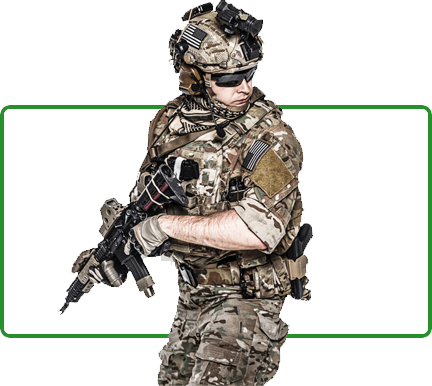
In the field of safety protective equipment and military protective solutions, certification is not a formality—it is a critical process that directly impacts user safety and operational reliability. As a professional safety protective equipment developer, manufacturer, and exporter serving international markets, we believe that tactical gear certification must be systematic, transparent, and grounded in real-world performance.
For military protective equipment suppliers and global procurement partners, certification represents trust, consistency, and compliance. This article explains how we certify tactical gear from raw materials to final production, ensuring that every product meets professional protection requirements and international expectations.
The certification of tactical gear does not start with the finished product. It begins at the material development stage. As an experienced safety protective equipment manufacturer, we understand that fabric performance defines the core capability of tactical and military protective equipment.
During material selection, we evaluate:
Abrasion and tear resistance
Cut, stab, and impact protection potential
Flame resistance, water repellency, and oil resistance
Dimensional stability and durability under long-term use
These properties are essential for tactical gear used in demanding environments such as military operations, law enforcement missions, and high-risk security applications. For military protective equipment manufacturers, material-level certification ensures performance reliability before assembly even begins.
.png)
Before any third-party testing takes place, our tactical gear undergoes extensive internal testing. This phase allows us, as a safety protective equipment supplier, to validate design concepts and eliminate structural weaknesses early in development.
Internal testing includes laboratory-based physical tests, simulated operational movements, and repetitive stress assessments. These tests are designed to replicate the conditions tactical gear will encounter in the field. For exporters of military protective equipment, internal validation is critical to reducing certification risks later in the process.
Once internal benchmarks are achieved, products are submitted to accredited third-party laboratories for certification. Independent testing is a key requirement for military protective equipment suppliers serving international clients, especially government agencies and institutional buyers.
Depending on application and market requirements, tactical gear may be tested against internationally recognized standards or customer-specific technical specifications. For a professional safety protective equipment exporter, third-party certification strengthens credibility and supports smoother customs clearance and procurement approval.
Laboratory data alone does not define certified tactical gear. Real-world usability must also be verified. As a manufacturer specializing in military protective equipment, we integrate scenario-based testing into our certification process.
Tactical gear is evaluated under extreme temperatures, high humidity, abrasive terrain, and repeated dynamic movement. This approach ensures that certified products maintain consistent performance throughout extended operational cycles. Such validation is particularly valued by global military protective equipment suppliers and professional end users.
One of the most common concerns among international buyers is production consistency after certification. A certified sample is only valuable if large-scale production matches the tested specifications.
To address this, we maintain strict quality control protocols throughout manufacturing. As a safety protective equipment manufacturer and exporter, we ensure that certified materials, construction methods, and performance parameters are consistently reproduced in mass production. This guarantees that certified tactical gear delivered to clients meets the same standards as tested samples.
For international buyers, choosing a certified military protective equipment supplier reduces procurement risk. Certification demonstrates that products have been systematically evaluated, documented, and verified for protective performance.
From the exporter’s perspective, certification enables access to regulated markets and long-term cooperation with institutional clients. As a safety protective equipment developer, certification also supports continuous product improvement and innovation aligned with evolving operational demands.
.png)
Certification is not a one-time event. Tactical gear requirements evolve as operational environments and threat profiles change. As a long-term military protective equipment manufacturer, we treat certification as an ongoing process rather than a final checkpoint.
Regular material reassessment, performance revalidation, and standard updates ensure that our tactical gear remains compliant and effective. This commitment allows us to maintain stable export quality and trusted supplier status in global markets.
Understanding how tactical gear is certified provides valuable insight into product reliability and supplier professionalism. For safety protective equipment manufacturers and military protective equipment exporters, certification represents responsibility, technical competence, and long-term commitment to user safety.
By combining material-level testing, third-party certification, field-oriented validation, and production consistency control, we deliver tactical gear that meets international expectations and real-world protection requirements.