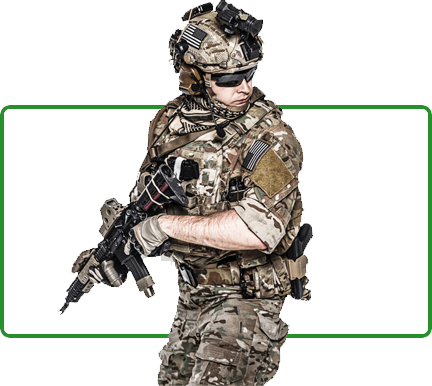
As global security challenges continue to evolve, the international protective security field is undergoing profound structural and technological transformation. For manufacturers, exporters, and suppliers engaged in protective safety equipment and military protective equipment, understanding future trends is no longer optional—it is a strategic necessity. One of the most effective ways to gain forward-looking insights is by closely observing influential defense exhibitions, among which EDEX 2025 (Egypt Defence Expo) stands out as a key indicator of global market direction.
EDEX has rapidly developed into one of the most important defense and security exhibitions connecting the Middle East, Africa, Europe, and Asia. For any military protective equipment supplier, EDEX 2025 is more than a display platform—it is a real-time snapshot of procurement demand, technology maturity, and regional security priorities.
Unlike purely commercial trade shows, EDEX places strong emphasis on:
Military and law enforcement protection systems
Integrated personal protective solutions
Materials innovation for ballistic, flame-resistant, and anti-stab applications
For a protective safety equipment manufacturer, the exhibition provides valuable insight into how end users—armed forces, police units, and homeland security agencies—are redefining performance expectations.
(1).png)
One of the most notable trends observed in recent editions of EDEX is the shift from standalone products toward integrated protection systems. Helmets, body armor, uniforms, tactical vests, and load-bearing equipment are increasingly designed as interoperable systems rather than isolated items.
This evolution directly impacts:
Military protective equipment manufacturers focusing on compatibility and modularity
Fabric developers working on multi-functional textile platforms
Military protective equipment exporters adapting product portfolios to meet system-based procurement standards
For example, protective fabrics are no longer judged solely by strength or weight, but by how well they integrate with armor panels, wearable electronics, and environmental protection layers.
From a material manufacturing perspective, EDEX 2025 is expected to highlight the growing importance of advanced fabrics in the protective security supply chain. As a professional protective safety equipment developer, understanding material trends is essential for long-term positioning.
Key material directions include:
Lightweight ballistic textiles for improved mobility
Inherent flame-resistant and heat-resistant woven fabrics
Anti-stab and cut-resistant textiles for urban security scenarios
Multi-threat fabrics combining flame resistance, anti-static performance, oil repellency, and tear resistance
For military protective equipment suppliers, these materials directly affect end-user performance, comfort, and mission endurance. For exporters, material compliance with international standards becomes a decisive factor in market access.
.png) 4. Regional Demand Signals from EDEX 2025
4. Regional Demand Signals from EDEX 2025EDEX plays a unique role in revealing demand patterns from emerging and transitional markets. Unlike NATO-focused exhibitions, EDEX reflects diversified operational environments, including desert, urban, and hybrid combat scenarios.
This has significant implications for:
Protective safety equipment exporters targeting Africa and the Middle East
Manufacturers developing climate-adapted protective fabrics
Suppliers responding to both military and paramilitary protection needs
Understanding these regional preferences helps manufacturers align R&D efforts with real-world operational requirements, rather than generic specifications.
Another critical insight gained from EDEX is the growing importance of compliance and transparency. Procurement authorities increasingly favor military protective equipment manufacturers and exporters that can demonstrate:
Compliance with international testing and certification standards
Traceable material sourcing
Stable production capacity and consistent quality control
For a protective safety equipment manufacturer, this means exhibitions are no longer about visual impact alone, but about credibility. Documentation, third-party test reports, and material traceability often influence negotiations as much as product performance itself.
While EDEX is primarily defense-oriented, civil security applications are becoming more visible. Anti-riot gear, border control equipment, and industrial protective clothing increasingly overlap with military-grade technologies.
This convergence opens new opportunities for:
Military protective equipment suppliers expanding into civil security markets
Fabric manufacturers offering dual-use technical textiles
Exporters diversifying business risk across military and civilian sectors
Protective fabrics developed for military use are now frequently adapted for police forces, private security contractors, and emergency responders, strengthening overall market resilience.
(1).png) 7. Strategic Takeaways for Manufacturers and Exporters
7. Strategic Takeaways for Manufacturers and ExportersFor companies unable to attend EDEX 2025 in person, analyzing exhibitor profiles, product categories, and public announcements still provides valuable strategic signals. Successful protective safety equipment developers tend to share several characteristics:
Long-term investment in materials research and development
Strong collaboration between fabric manufacturing and equipment system design
Export-oriented strategies aligned with international defense procurement frameworks
For military protective equipment exporters, EDEX reinforces the importance of positioning not just as a product supplier, but as a solution-oriented partner capable of supporting evolving operational requirements.
Focusing on EDEX 2025 offers far more than event-based visibility—it provides a strategic lens into the future of the international protective security field. From materials innovation and system integration to regional demand signals and compliance expectations, the exhibition reflects how the global security landscape is reshaping the roles of protective safety equipment manufacturers, military protective equipment suppliers, and exporters.
For professional manufacturers and exporters, the real value lies in translating these insights into product development strategies, material selection, and long-term market positioning. In an industry defined by reliability, protection, and trust, staying aligned with global trends is the foundation of sustainable growth.