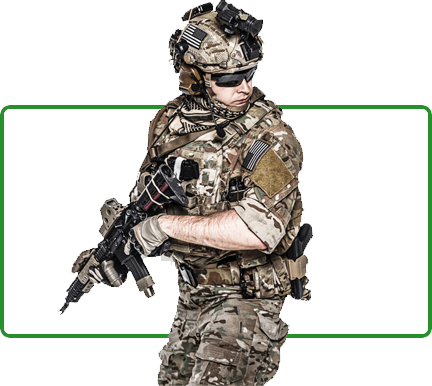
Certifying tactical gear is far more than completing a checklist — it is a comprehensive process that ensures every piece of equipment can perform reliably in the field. For professional tactical gear manufacturers, exporters, and distributors, certification is not only a technical requirement but also a responsibility to the end-users who depend on performance-critical products. In this article, we take you behind the scenes to explain how our factory certifies tactical gear and how we ensure full compliance with international military, law-enforcement, and outdoor protection standards.
Tactical equipment is used in highly demanding environments: military missions, law-enforcement operations, security work, and extreme outdoor conditions. Any failure can lead to mission compromise or safety risks.
Therefore, tactical gear certification acts as a guarantee of durability, reliability, and compliance. For tactical gear manufacturers and tactical equipment exporters, verified certification is also a key factor that global buyers look for when sourcing from overseas factories.
Our certification framework allows international tactical gear distributors, wholesalers, and procurement agencies to confidently assess product quality before placing large-volume orders.
High-performance tactical gear always begins with material selection. Our factory collaborates with long-term textile suppliers specializing in:
Tear-resistant woven fabrics
Waterproof and breathable laminates
High-abrasion coatings
UV-resistant fibers
Fire-retardant and oil-repellent technical textiles
Each raw material undergoes strict verification before entering production. This is especially important for tactical gear manufacturers who handle export-grade products, as global buyers increasingly demand traceability and compliance.
Our material testing includes:
Fiber composition validation
Tensile and tear strength tests
Hydrostatic pressure resistance
Abrasion and pilling tests
Colorfastness and UV exposure simulations
These procedures ensure that every fabric used for tactical clothing, backpacks, vests, and pouches meets consistent quality requirements.
.jpg)
Beyond materials, the design structure of tactical gear determines its long-term stability.
In our factory, every prototype goes through a multi-layered design verification process:
Load-Bearing Stress Analysis
Computer-based simulations evaluate stress points, stitching durability, and the ability to support heavy weight.
Field-Simulation Testing
Prototypes are worn, stretched, dropped, soaked, and exposed to dust, sweat, and sunlight — conditions common in military or tactical missions.
Component Compatibility Checks
Buckles, zippers, Velcro, MOLLE systems, and accessories must fit international sizing standards to ensure compatibility with other equipment used by tactical gear distributors and global procurement units.
This systematic evaluation ensures that the finished tactical gear is not just robust but also functional and field-ready.
Our certification standards extend deeply into the manufacturing phase. As a tactical gear factory with over two decades of export experience, we implement a full-process QC system:
Incoming material inspection
Mid-line production checks
Stitching density verification
Reinforcement audits for shoulder straps, MOLLE attachment points, and load-bearing seams
Finishing and trimming checks
Final product inspection and random sampling tests
These protocols allow tactical gear exporters, importers, and OEM/ODM buyers to receive consistent quality across different batches and production cycles.
To certify tactical gear for global markets, our products go through a range of standardized laboratory tests, depending on the category:
ASTM and ISO standards for physical performance
Colorfastness testing under water, light, sweat, and rubbing
Environmental durability tests simulating cold, heat, and humidity
Chemical safety and restricted substance screening
For protective gear or tactical clothing with special functions, we also conduct:
Water repellent and oil repellent certifications
Fire-resistant performance verification
Antimicrobial and odor-control testing
This ensures compliance with requirements from tactical gear distributors and procurement agencies in Europe, the Middle East, the United States, Southeast Asia, and South America.
.jpg)
Every certified product is issued a detailed technical report, which includes:
Material specifications
Mechanical performance data
Test conditions and standards
Pass/fail evaluations
Recommendations for environment-specific applications
These documents help tactical gear manufacturers and exporters communicate product reliability more transparently to global buyers.
For tactical gear distributors, these reports are essential tools for verifying supplier credibility and for supporting government, military, or security tenders.
Certification does not end once the product is shipped.
We continue to collect field feedback from military units, outdoor professionals, and long-term tactical equipment distributors. This real-world performance data allows us to refine our materials, upgrade stitching structures, and redesign features based on actual operational needs.
As a tactical gear factory committed to long-term innovation, we view field feedback as an indispensable part of our certification system.