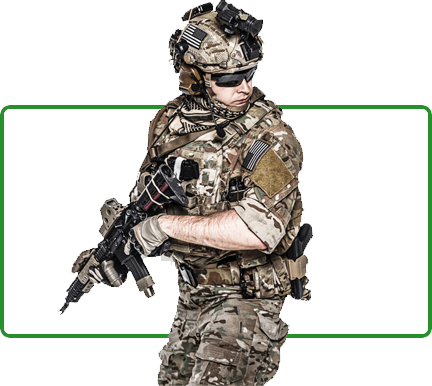
In the world of defense, law enforcement, and tactical operations, camouflage is not just a visual design—it is a science of concealment. The ability to blend seamlessly with the surrounding environment can determine whether a soldier remains undetected or exposed. Therefore, choosing the right camouflage pattern for different terrains is crucial not only for operational success but also for safety and strategic advantage.
As a professional camouflage patterns uniforms provider, understanding how each pattern interacts with specific environments allows manufacturers, suppliers, and military uniform producers to deliver better-performing products tailored to their clients’ real-world needs.
Camouflage works by deceiving the human eye and optical sensors. It breaks up outlines, distorts shapes, and mimics natural surroundings to make the wearer harder to detect. Modern camouflage is the result of advanced research combining color theory, digital printing, and fabric technology.
A leading camouflage fabric manufacturer often collaborates with defense research institutions to study how light, shadow, and texture interact across various environments such as forest, desert, snow, and urban settings. By using digital pixelated designs and multi-layered dyeing techniques, they produce fabrics that effectively blend into multiple terrains.
High-quality camouflage fabric is typically made from durable polyester-cotton blends, ripstop nylon, or other high-performance fibers that resist fading, tearing, and weathering — essential traits for tactical uniform suppliers serving military and law enforcement clients.
.png)
Each environment presents a unique set of visual and climatic challenges. Selecting the right camouflage pattern depends on how well the colors and shapes match the terrain’s natural palette and texture.
Woodland Terrain:
Characterized by dense vegetation, tall trees, and shadowy light conditions, woodland camouflage typically uses greens, browns, and blacks. Patterns like M81 Woodland or Multicam Tropic are commonly used by armed forces. A camouflage uniform fabric factory must ensure the dyes remain vibrant and resistant to UV fading, as soldiers often operate in sunlight and humid conditions.
Desert and Arid Regions:
Desert camouflage focuses on beige, tan, and light brown shades to blend with sand and rock landscapes. Variants like Desert Digital or 3-Color Desert are widely applied by military clothing exporters serving Middle Eastern and African defense markets.
Snow and Arctic Environments:
White-dominant camouflage patterns help personnel merge into snowy surroundings. Some camouflage pattern textile producers use subtle gray or light blue undertones to mimic shadows in snowdrifts, improving concealment in winter operations.
Urban Settings:
Urban camouflage relies on grays, dark blues, and muted tones to merge with concrete, metal, and asphalt. A tactical uniform fabric supplier may design these with infrared suppression coatings, ensuring invisibility even under night vision detection.
Jungle and Tropical Areas:
These environments require high-contrast greens and earthy browns. Breathable, quick-drying fabrics are essential, as moisture management becomes a survival factor. For this reason, camouflage fabric manufacturers often use lightweight ripstop materials or moisture-wicking weaves for tropical military uniforms.
Beyond visual design, the performance of a camouflage uniform heavily depends on the fabric’s physical properties. As a camouflage patterns uniforms provider, it’s critical to balance concealment performance with comfort, durability, and protection.
Modern military and tactical fabrics integrate multiple functionalities:
Infrared (IR) protection to reduce detection by night-vision devices.
Flame resistance to safeguard soldiers in combat zones.
Water repellency for all-weather performance.
Anti-static and tear-resistant structures to enhance safety and lifespan.
A reputable camouflage fabric exporter ensures these properties are built into the fabric during the weaving and finishing process rather than added superficially, guaranteeing consistent protection even after long-term use or repeated washing.
Camouflage patterns have evolved significantly—from the large, organic shapes of traditional designs to the precise, pixelated forms of digital camouflage.
Traditional camouflage like Flecktarn or British DPM uses irregular, natural shapes that mimic vegetation and earth textures.
Digital camouflage, on the other hand, uses micro-pattern pixels that confuse both human vision and digital sensors.
Professional military uniform fabric suppliers often produce hybrid versions combining traditional and digital elements for modern armies. This fusion ensures effective concealment across mixed terrains while maintaining a strong tactical appearance.
(1).png)
Selecting the appropriate camouflage pattern depends on your operational environment, end-user requirements, and regional deployment. As a camouflage clothing manufacturer or supplier, it’s vital to consider:
Operational Terrain: Match the color palette to the environment (forest, desert, snow, urban).
Climate Conditions: Choose breathable or waterproof materials accordingly.
Visibility Control: Evaluate IR reflectivity and contrast under night-vision conditions.
Fabric Durability: Opt for tear-resistant, anti-fade materials for long-term missions.
A global camouflage fabric exporter typically provides customization options, such as different fiber compositions, weight grades, and coating treatments, allowing clients to adapt the same pattern for various operational needs.
As defense technology evolves, so does camouflage. Researchers are exploring adaptive camouflage, which uses nanotechnology and smart materials to change colors dynamically based on surroundings. Some camouflage textile manufacturers are already experimenting with fabrics that alter their thermal signatures or reflectivity to counter both human and AI detection systems.
In this evolving landscape, collaboration between camouflage fabric producers and defense uniform providers will shape the next generation of military and tactical clothing — combining visual concealment with intelligent protection.military and tactical clothing — combining visual concealment with intelligenmilitary and tac
Choosing the right camouflage pattern for different terrains is a blend of science, art, and field experience. The design must consider both environmental conditions and the physical performance of the fabric. Partnering with a reliable camouflage patterns uniforms provider ensures that the final uniform not only meets military aesthetic standards but also performs under the harshest operational conditions.
In an age where visibility means vulnerability, quality camouflage remains one of the most strategic investments for any defense or tactical apparel project.