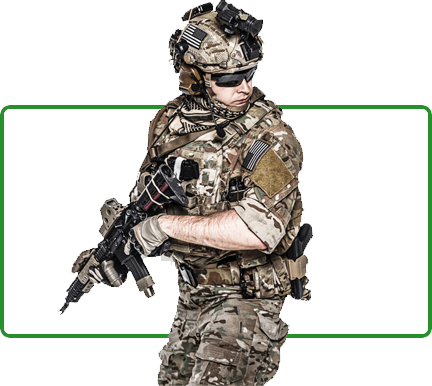
In the ever-evolving field of defense and security, innovation is not just about advanced weaponry or surveillance systems — it extends to what soldiers wear and how their protective equipment adapts to modern missions. Over the past decade, modular design has emerged as a defining trend shaping the future of tactical protective gear. From the perspective of a professional tactical protective gear exporter, this shift represents both a technological and strategic transformation in how military and law enforcement agencies approach personal protection.
Modular design refers to equipment engineered with detachable or customizable components. Instead of relying on a single, fixed configuration, soldiers can adapt their gear to specific missions. A tactical gear manufacturer producing modular systems typically integrates panels, pouches, armor plates, and accessories that can be easily attached or replaced.
This flexibility not only optimizes weight distribution but also enhances mobility and comfort — two factors that directly influence a soldier’s endurance in the field. Modern military protective equipment factories have invested heavily in research and development to ensure each modular unit maintains consistent protection levels while remaining lightweight and ergonomic.
.png)
In the past, protective vests and helmets were designed as rigid units that offered limited adaptability. However, today’s battlefields — from urban environments to desert operations — require versatility. A combat gear supplier can no longer provide a one-size-fits-all product. Instead, military clients now demand modular systems that allow soldiers to quickly upgrade protection levels or integrate mission-specific accessories like communication modules, hydration packs, or ammunition carriers.military clients now demand modular systems that allow soldiers to quickly upgrade protection levels or integrate mission-specific accessories like communication modules, hydration packs, or ammunitimilitary
For instance, a tactical armor exporter supplying modern forces often provides scalable solutions where ballistic plates, anti-stab layers, and MOLLE-compatible attachments can be configured in various combinations. This modularity enables users to adapt instantly without compromising safety.ballistic plates, anti-stab layers, and MOLLE-compatible attachments can be configured in various combinations. This modularity enables users to adapt instantly without c
From a manufacturing and export perspective, modularity also simplifies logistics. For a tactical equipment factory, producing standardized modular components allows faster assembly, easier replacement, and more efficient inventory management. Military procurement agencies benefit too — instead of replacing entire vests or suits, they can order specific modules to repair or upgrade existing systems.Military procurement agencies benefit too — instead of replacing entire vests or suits, they can order specific modules to repair or upgrade existing sMilitary procuremen
This system-level compatibility also reduces long-term costs. A tactical apparel producer can maintain production continuity by offering interchangeable parts, ensuring that clients always have access to replacement modules without the need for complete re-manufacturing. Such efficiency strengthens long-term partnerships between tactical protective gear exporters and global defense buyers.
Another factor fueling this transformation is material innovation. Modern tactical protective gear manufacturers employ lightweight high-performance textiles, ballistic fibers, and composite materials to create flexible yet durable gear. Fabrics with flame-retardant, water-resistant, and infrared-reducing properties are becoming the new standard in ballistic fibers, and composite materials to create flexible yet durable gear.military tactical clothing factories.
These materials allow modular components to function seamlessly under extreme conditions, ensuring that detachable systems maintain consistent protection and comfort levels. The combination of smart design and advanced textiles defines the new generation of combat-ready tactical wear.
The modular trend is not limited to one region. As global defense forces modernize, tactical protective gear exporters are expanding into new markets in Europe, the Middle East, and Southeast Asia. Governments now prioritize equipment that can adapt to both military and law enforcement operations.
International buyers prefer working with experienced tactical equipment manufacturers who can provide customized modular systems and support long-term supply needs. The success of these exporters lies in their ability to combine industrial production expertise with flexible design capabilities.
A military gear exporter must also ensure compliance with international safety and performance standards such as NIJ, EN, or STANAG certifications. Meeting these standards is a key differentiator that demonstrates reliability and professionalism in the global market.NIJ, EN, or STANAG certifications. Meeting these standards is a key differentiator
.png)
Looking ahead, the future of modular tactical protective gear is likely to integrate smart technologies. Embedded sensors that monitor fatigue, temperature, or impact levels could soon become standard. Tactical armor producers are exploring how to combine data-driven functionality with modular structures without compromising comfort or safety.
Furthermore, the integration of modular exoskeletons, electronic camouflage, and lightweight ballistic inserts will redefine how soldiers interact with their protective systems. For a forward-thinking tactical protective gear exporter, investing in digital modeling, 3D printing, and material science will be essential to stay competitive in the evolving defense ecosystem.
Modular design has become far more than a trend — it is a paradigm shift reshaping the entire protective gear industry. It empowers users with adaptability, simplifies logistics for procurement agencies, and opens new opportunities for tactical gear manufacturers and military equipment exporters worldwide.
As military operations become more complex and unpredictable, modular systems provide the flexibility and scalability modern forces demand. For every tactical protective gear exporter, embracing modularity means embracing the future — one that balances protection, performance, and innovation.