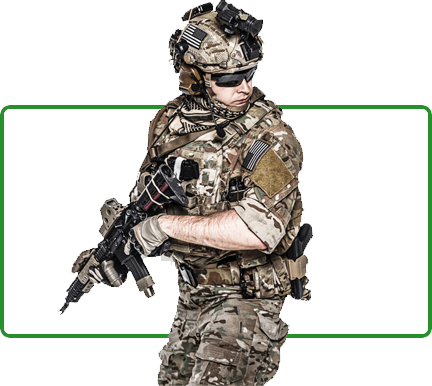
The military operates with a wide range of specialized equipment designed to ensure the safety, efficiency, and effectiveness of soldiers in various missions. From personal protective gear to advanced communication systems, every item serves a strategic purpose. Understanding what items are in the military also helps military equipment manufacturers, defense gear suppliers, and tactical fabric factories develop materials and solutions that meet the strictest performance standards.
1. Personal Protective Equipment (PPE)
Every soldier’s first line of defense is personal protection. The most common items include bulletproof vests, helmets, anti-stab clothing, and tactical gloves. These are often made from high-performance fabrics such as aramid, UHMWPE, and nylon-cotton blends. Leading ballistic equipment factories continuously innovate to balance protection, weight, and comfort.
In modern combat, the demand for NIJ-certified bulletproof helmets and lightweight armor plates is increasing. Export-oriented military gear manufacturers focus on delivering products that comply with global standards and meet the operational needs of defense forces worldwide.
2. Tactical Clothing and Footwear
Tactical uniforms, combat shirts, and military boots are essential in every soldier’s wardrobe. These garments are made using durable camouflage fabrics, flame-retardant textiles, and waterproof materials that ensure comfort and protection in harsh environments.
A reliable military fabric factory can produce various camouflage patterns and functional textiles—ranging from anti-infrared coatings to oil-repellent finishes. Exporters in this field often provide OEM/ODM customization to meet the specific procurement requirements of different armed forces.
3. Load-Bearing and Tactical Equipment
Soldiers carry mission-critical tools using tactical vests, backpacks, pouches, and belts. These items are designed for durability, modularity, and efficiency. High-strength nylon and Cordura fabrics are preferred by tactical gear exporters for their abrasion resistance and tensile strength.
Many defense equipment manufacturers also integrate MOLLE systems to enhance flexibility and adaptability in the field. The combination of advanced fabric engineering and ergonomic design enables soldiers to carry essential gear without sacrificing mobility.
4. Communication and Navigation Devices
Modern warfare relies heavily on real-time information. Radios, GPS systems, and headsets ensure seamless coordination between units. To protect these devices, military equipment suppliers provide shockproof and water-resistant casings. Some military textile factories even produce conductive or electromagnetic shielding fabrics for enhanced communication security.
5. Vehicles and Mobility Systems
Beyond personal gear, the military utilizes a wide range of vehicles—from light tactical vehicles to armored personnel carriers. The interior materials, seat fabrics, and protective linings used in these vehicles are developed by industrial textile manufacturers specializing in flame-retardant and anti-static fabrics.
Export-oriented defense industry suppliers often collaborate with international contractors to deliver custom textile solutions for both land and air applications.
6. Medical and Survival Gear
Field medics rely on durable and sanitary materials to perform under pressure. Military-grade first aid kits, sleeping bags, and tents are designed with waterproof and antimicrobial fabrics. Outdoor equipment manufacturers and tactical textile exporters play a crucial role in ensuring the reliability of these items during extended missions or in extreme weather.
7. Training and Simulation Equipment
To maintain operational readiness, the military invests heavily in simulation and training tools. Uniforms, mock weapons, and ballistic test fabrics are provided by professional military product factories that specialize in realistic and durable designs. Many exporters in this field also offer customized solutions for training centers and security agencies.
The Global Supply Chain Behind Military Equipment
Behind every piece of military gear lies a vast global supply chain involving fabric manufacturers, component suppliers, and equipment assemblers. Leading military product exporters ensure compliance with international regulations, strict quality control, and reliable logistics. With decades of experience in textile production and tactical gear manufacturing, these companies have become trusted partners for global defense procurement projects.
Conclusion
Military items encompass a complex range of products—from protective gear and clothing to advanced equipment and vehicles. Each item reflects innovation, precision, and reliability, supported by the expertise of military equipment manufacturers, defense gear suppliers, and textile exporters worldwide. As technology advances, the collaboration between material science and military engineering will continue to define the future of defense equipment production.military engineering will continue to define the future

.png) 1. Personal Protective Equipment (PPE)
1. Personal Protective Equipment (PPE)(1).png)