In the global safety and industrial protection industry, the terms PPE (Personal Protective Equipment) and PPC (Personal Protective Clothing) are often used interchangeably. However, from the perspective of a professional protective equipment manufacturer, fabric developer, and exporter, these two concepts are not exactly the same. Understanding the difference between PPE and PPC is essential for buyers, safety managers, distributors, and protection equipment suppliers who are selecting products for specific working environments.
This article explains the core differences between PPE and PPC, their applications, regulatory frameworks, and how manufacturers and exporters define them in real-world production and supply chains.
(4).png)
PPE refers to any equipment or device designed to be worn or used by an individual to protect against workplace hazards. PPE is a broad category that includes both wearable and non-wearable protective products.
From the perspective of a global PPE supplier and exporter, PPE commonly includes:
Safety helmets and hard hats
Protective gloves
Safety goggles and face shields
Respirators and masks
Hearing protection devices
Protective footwear
Protective clothing (which is where PPC fits in)
PPE is widely used in industries such as construction, manufacturing, military, healthcare, oil & gas, mining, and emergency response. Most PPE products are regulated by international standards such as ISO, EN, ANSI, and NIJ, depending on their intended use.
.png)
PPC is a subcategory of PPE, focusing specifically on protective garments made from functional fabrics. These garments are designed to protect the wearer’s body from physical, chemical, biological, or environmental risks.
From a protective clothing manufacturer and fabric exporter’s perspective, PPC includes:
Flame-resistant (FR) clothing
Cut-resistant and anti-stab garments
Chemical-resistant suits
High-visibility workwear
Ballistic and anti-riot clothing
Medical protective apparel
Tactical and military uniforms
Unlike general PPE equipment, PPC relies heavily on textile engineering, fabric structure, fiber composition, and finishing technologies. This is where professional fabric manufacturers and protection clothing developers play a key role in the supply chain.
Although PPC belongs to PPE, the key difference lies in scope, function, and production focus.
| Aspect | PPE | PPC |
|---|---|---|
| Definition
|
All types of personal protective equipment | Protective garments only |
| Product Type | Equipment + clothing | Clothing and wearable textile products |
| Manufacturing Focus | Mechanical, polymer, metal, textile | Textile engineering and garment manufacturing |
| Fabric Dependency | Limited | High |
| Typical Buyers | Safety equipment distributors | Protective clothing suppliers, uniform manufacturers |
For a protective equipment supplier, PPE represents a complete safety solution, while PPC represents a specialized product category requiring advanced fabric development and garment design.
In most global regulations, PPC is legally classified under PPE, but it often has additional textile-related standards.
For example:
Flame-resistant clothing must meet EN ISO 11612 or NFPA standards
Cut-resistant clothing must comply with EN 388 or ANSI standards
Ballistic protective clothing follows NIJ standards
Professional PPC manufacturers and exporters must ensure both PPE compliance and textile performance compliance, which increases development complexity compared to standard PPE equipment.
From a manufacturing standpoint, PPE and PPC follow very different production logic.
PPE equipment manufacturing focuses on molding, injection, assembly, and impact testing
PPC manufacturing focuses on fiber selection, yarn engineering, fabric weaving or knitting, finishing, and garment construction
A professional protective fabric manufacturer plays a critical role in PPC production by supplying materials with functions such as flame resistance, anti-cut, oil repellency, chemical resistance, and tear strength.
This is why many PPE exporters work closely with specialized PPC suppliers rather than producing protective clothing in-house.
PPE and PPC are often used together but serve different protective layers.
For example:
In a construction site, PPE includes helmets, gloves, goggles, and safety shoes, while PPC includes high-visibility jackets and cut-resistant workwear.
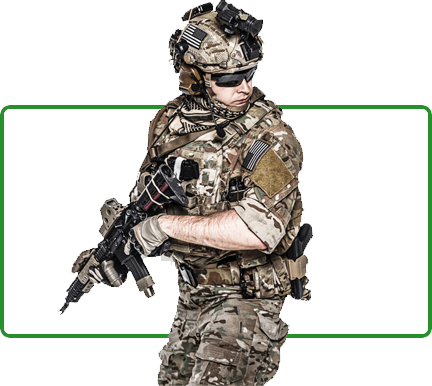
In military or law enforcement use, PPE may include helmets and body armor plates, while PPC includes ballistic uniforms and anti-stab clothing.
In medical environments, PPE includes masks and face shields, while PPC includes protective gowns and medical uniforms.
From the perspective of a global protection equipment exporter, offering both PPE and PPC ensures a more complete and competitive product portfolio.
(1).png)
Many buyers search online for PPE suppliers without realizing that not all PPE manufacturers specialize in PPC. Similarly, some fabric manufacturers focus exclusively on PPC without producing general PPE equipment.
Understanding this distinction helps:
Importers select the right PPE or PPC manufacturer
Distributors build more accurate product catalogs
Safety managers choose suitable protective solutions
Exporters position their products more clearly in international markets
In international trade, PPE and PPC are often sourced from different factories, even when sold under the same brand.
A typical supply chain may include:
PPE equipment manufacturers (helmets, masks, gloves)
Protective fabric manufacturers
PPC garment manufacturers
PPE exporters and wholesalers
Regional safety equipment distributors
Professional PPC exporters usually highlight their fabric technology, certifications, and garment performance, while general PPE exporters emphasize product range and compliance.
From a professional standpoint:
A PPE manufacturer focuses on comprehensive safety equipment solutions
A PPC manufacturer specializes in protective garments and functional fabrics
A protective equipment exporter may handle both categories but source from specialized factories
For buyers sourcing protective clothing, working directly with an experienced PPC supplier and fabric developer often results in better customization, performance consistency, and long-term reliability.
In summary, while PPE and PPC are closely related, they are not identical. PPE is the broader category covering all personal protective equipment, while PPC specifically refers to protective clothing made from functional fabrics.
For safety professionals, importers, and distributors, understanding this distinction helps improve product selection, compliance, and supplier communication. For manufacturers and exporters, clearly defining whether they specialize in PPE, PPC, or both is essential for accurate market positioning and long-term brand trust.